


Ensuring the accuracy of mixing is a critical factor in various industries, from pharmaceuticals and food production to chemicals and beyond. As a trustworthy supplier of mixing equipment, we understand the nuances and challenges associated with achieving precise mixing results. In this blog, we'll explore the crucial steps and considerations to guarantee the accuracy of mixing with our state - of - the - art mixing equipment.
Understanding the Mixing Process
The first step in ensuring accurate mixing is to have a thorough understanding of the mixing process itself. Different materials have distinct physical and chemical properties, such as particle size, density, viscosity, and reactivity. For example, in pharmaceutical production, when mixing active pharmaceutical ingredients (APIs) with excipients, the particle size of the API can significantly affect the homogeneity of the final product. A finer powder may require a different mixing approach compared to a coarser one.
As a mixing equipment supplier, we conduct in - depth consultations with our clients to understand the specific materials they are working with. This allows us to recommend the most suitable mixing equipment and process parameters. For instance, for a product with a high - viscosity material, we might recommend a high - shear mixer to ensure proper blending.

Selecting the Right Mixing Equipment
Choosing the appropriate mixing equipment is fundamental for accurate mixing. There are various types of mixers available in the market, each designed for specific applications.
Static Mixers: These are ideal for continuous mixing processes where two or more fluids need to be blended. They have no moving parts, which reduces maintenance requirements. Static mixers work by forcing the fluids through a series of stationary elements that divide and recombine the flow, ensuring a uniform mixture.
Dynamic Mixers: These include paddle mixers, ribbon mixers, and high - speed shear mixers. Paddle mixers are suitable for gentle mixing of dry powders or materials that require low - shear agitation. Ribbon mixers are efficient for blending dry solids and can handle large volumes. High - speed shear mixers, on the other hand, are used for processes that demand intense mixing, such as emulsification or dispersion.
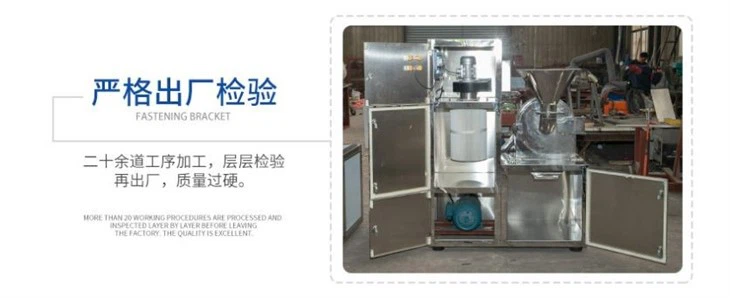
Our company offers a wide range of mixing equipment, and we can help you select the most appropriate one based on your specific needs. If you're looking for a machine to break down larger particles into smaller ones before mixing, our Pulverizer and Pulverizer Machine can be a great addition to your production line. And for large - scale industrial applications, our Industrial Mixers are designed to meet high - volume mixing requirements accurately.
Calibration and Maintenance
Regular calibration and maintenance of the mixing equipment are essential for accurate mixing. Over time, wear and tear can affect the performance of the mixer, leading to inconsistent mixing results.
Calibration involves adjusting the settings of the mixer to ensure that it operates at the correct speed, agitation intensity, and other parameters. This should be done periodically, following the manufacturer's guidelines. For example, the speed of a mixer impeller may need to be calibrated to ensure that it provides the right amount of shear force for proper mixing.
Maintenance includes tasks such as cleaning, lubricating, and inspecting the equipment. Cleaning the mixer after each use prevents cross - contamination between different batches. Lubricating moving parts reduces friction and extends the life of the equipment. Inspecting the mixer for any signs of damage, such as worn - out bearings or loose belts, helps to identify and address potential issues before they cause significant problems.
Testing and Quality Control
Implementing a robust testing and quality control system is crucial for ensuring accurate mixing. This involves taking samples at different stages of the mixing process and analyzing them to determine the degree of homogeneity.
There are several methods for testing the quality of a mixture. For dry powders, sieve analysis can be used to check the particle size distribution. Chemical analysis can be employed to measure the concentration of specific components in a mixture. In the case of liquid mixtures, properties such as viscosity and density can be measured to assess the uniformity of the blend.
By conducting regular tests, we can identify any deviations from the desired mixing specifications and take corrective actions promptly. This helps to ensure that the final product meets the required quality standards.
Process Optimization
Continuous process optimization is another key aspect of ensuring accurate mixing. As new materials and technologies become available, or as production requirements change, it may be necessary to adjust the mixing process.
We work closely with our clients to analyze their existing mixing processes and identify areas for improvement. This may involve changing the mixer settings, modifying the order in which materials are added, or adjusting the mixing time. For example, in some cases, adding materials in a specific sequence can improve the mixing efficiency and accuracy.
Training and Operator Competence
The competence of the operators using the mixing equipment also plays a significant role in ensuring accurate mixing. Operators should be well - trained in the proper operation, calibration, and maintenance of the equipment.
We provide comprehensive training programs for our clients' operators. These programs cover topics such as equipment setup, safety procedures, and troubleshooting. By ensuring that the operators are knowledgeable and skilled, we can minimize the risk of human - error - induced mixing inaccuracies.
Conclusion
Ensuring the accuracy of mixing with mixing equipment is a multi - faceted process that requires a combination of proper equipment selection, calibration, maintenance, testing, process optimization, and operator training. As a leading mixing equipment supplier, we are committed to providing our clients with high - quality equipment and comprehensive support to help them achieve accurate and consistent mixing results.
If you're in the market for reliable mixing equipment or need assistance with optimizing your existing mixing process, we invite you to contact us for a free consultation. Our team of experts is ready to work with you to find the best solutions for your specific needs.
References
- Perry, R. H., & Green, D. W. (Eds.). (2007). Perry's Chemical Engineers' Handbook. McGraw - Hill.
- Harnby, N., Edwards, M. F., & Nienow, A. W. (1992). Mixing in the Process Industries. Butterworth - Heinemann.