


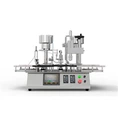
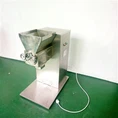
Hey there! As a supplier of industrial mixers, I know firsthand how crucial it is to keep these machines clean. A well - maintained industrial mixer not only performs better but also has a longer lifespan. So, let's dive into how to clean industrial mixers.
Why Cleaning is a Big Deal
First off, why should we bother cleaning industrial mixers? Well, for starters, if you don't clean your mixer regularly, there'll be residue buildup. This residue can contaminate future batches of whatever you're mixing. Whether you're in the food, pharmaceutical, or chemical industry, contamination is a huge no - no.
Secondly, a dirty mixer can affect the quality of your product. Residue can change the texture, taste, or chemical composition of the mix. And let's not forget about the wear and tear. Dirt and grime can cause parts of the mixer to corrode or break down faster, leading to costly repairs or even the need to replace the whole Industrial Mixers.


Pre - Cleaning Checks
Before you start the actual cleaning process, there are a few things you need to do. First, make sure the mixer is completely turned off and unplugged. Safety comes first, right? You don't want any accidental starts while you're cleaning.
Next, remove any large pieces of debris or leftover material from the mixer. You can use a brush or a spatula for this. This step makes the subsequent cleaning steps easier and more effective.
Inspect the mixer for any visible damage. Look for cracks, loose parts, or signs of wear. If you find any issues, it's best to address them before cleaning. You don't want water or cleaning agents getting into damaged areas and causing more problems.
Disassembly (if possible)
If your industrial mixer allows for disassembly, it's a great idea to take it apart. This way, you can clean every nook and cranny. Start by removing the mixing blades or paddles. These are the parts that come into direct contact with the material, so they tend to get the dirtiest.
Some mixers also have removable bowls or containers. Take these off and set them aside for cleaning. Make sure to keep track of all the small parts like screws and bolts. You don't want to lose them.
Cleaning the Parts
Blades and Paddles
For the blades and paddles, soak them in a cleaning solution. You can use a mild detergent mixed with warm water. Let them soak for about 15 - 20 minutes. This helps to loosen any stubborn residue.
After soaking, use a brush to scrub the blades and paddles. Pay special attention to the edges and corners where residue tends to accumulate. Rinse them thoroughly with clean water and dry them with a clean cloth.
Bowls and Containers
The bowls and containers can be cleaned in a similar way. If they're made of stainless steel, you can use a stainless - steel cleaner to give them a shiny finish. For plastic bowls, make sure to use a cleaning agent that's safe for plastic.
Scrub the inside of the bowls and containers to remove any residue. You can use a sponge or a brush. Rinse them well and let them air - dry.
The Mixer Body
Cleaning the mixer body requires a bit more care. Start by wiping it down with a damp cloth to remove any surface dirt. For more stubborn stains, you can use a mild abrasive cleaner. But be careful not to scratch the surface.
Pay attention to the control panel and the motor area. These parts should be kept dry. Use a dry cloth to wipe them down and remove any dust or debris.
Sanitizing
After cleaning, it's important to sanitize the mixer parts. This helps to kill any bacteria or germs that might be present. You can use a food - grade sanitizer for this purpose.
Spray or soak the parts in the sanitizer according to the manufacturer's instructions. Let them sit for the recommended amount of time, usually a few minutes. Then, rinse them thoroughly with clean water to remove any traces of the sanitizer.
Reassembly
Once all the parts are clean and dry, it's time to put the mixer back together. Start by attaching the blades or paddles. Make sure they're securely fastened.
Then, put the bowls or containers back in place. Double - check that all the parts are properly aligned and connected.
Regular Maintenance and Cleaning Schedule
To keep your industrial mixer in top shape, it's important to have a regular cleaning schedule. How often you clean the mixer depends on how frequently you use it and what you're mixing.
For mixers that are used daily in a high - volume production environment, a thorough cleaning should be done at least once a week. For less frequent use, a monthly cleaning might be sufficient.
In addition to regular cleaning, it's also a good idea to perform some basic maintenance tasks. Check the lubrication of the moving parts regularly. If necessary, add more lubricant to keep the mixer running smoothly.
Troubleshooting Cleaning Issues
Sometimes, you might encounter problems during the cleaning process. For example, you might find that some residue just won't come off. In this case, you can try using a stronger cleaning agent. But make sure it's compatible with the materials of the mixer.
If you notice any strange noises or vibrations after cleaning, it could mean that something wasn't assembled correctly. Double - check all the parts and make sure everything is tightened properly.
Conclusion
Cleaning industrial mixers is not just a chore; it's an essential part of maintaining the quality of your products and the longevity of your equipment. By following the steps I've outlined above, you can ensure that your Mixing Machine stays clean and functions at its best.
If you're in the market for a new industrial mixer or need advice on cleaning and maintaining your existing one, don't hesitate to reach out. We're here to help you make the most of your Granulator Machine and other industrial equipment. Whether you're a small business or a large - scale manufacturer, we've got the expertise and the products to meet your needs. Let's start a conversation and see how we can work together to improve your production process.
References
- "Industrial Mixer Maintenance Guide", Industrial Equipment Magazine, 2022.
- "Best Practices for Cleaning Industrial Mixers", Food and Beverage Production Journal, 2021.