


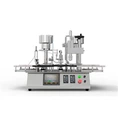
Hey there! As a supplier of Ampoule filling and sealing machines, I often get asked about how to adjust the sealing time of these machines. It's a crucial aspect that can significantly impact the quality of the ampoules you're producing. So, let's dive right in and explore this topic in detail.


First off, you need to understand why adjusting the sealing time is so important. The sealing time directly affects the integrity of the ampoule seal. If the sealing time is too short, the ampoule may not be properly sealed, leading to leaks and potential contamination of the product inside. On the other hand, if the sealing time is too long, it can cause over - heating, which might damage the ampoule or the product.
Factors Affecting Sealing Time
There are several factors that can influence the ideal sealing time for your Ampoule filling and sealing machine.
Ampoule Material
Different types of ampoule materials have different melting points and heat - transfer properties. For example, glass ampoules are commonly used in the pharmaceutical industry. The thickness and quality of the glass can vary, and these differences will require adjustments to the sealing time. Thicker glass will generally need a longer sealing time to ensure a proper seal, while thinner glass may require a shorter time to avoid breakage.
Product Inside the Ampoule
The nature of the product inside the ampoule also plays a role. Some products are more heat - sensitive than others. If you're filling ampoules with a heat - sensitive liquid or powder, you'll need to be extra careful with the sealing time. You don't want to subject the product to excessive heat for too long, as it could degrade the product's quality.
Machine Settings and Components
The specific settings of your Ampoule Filler and Ampoule Sealing Machine can affect the sealing time. The power of the heating element, the speed of the conveyor belt that moves the ampoules through the sealing station, and the pressure applied during sealing all interact to determine the optimal sealing time.
How to Adjust the Sealing Time
Now that we've covered the factors, let's talk about how to actually adjust the sealing time.
Step 1: Consult the Machine Manual
The first thing you should do is refer to the machine manual that came with your Ampoule filling and sealing machine. The manual will provide you with some general guidelines on how to adjust the sealing time based on the machine's model and specifications. It may also have recommended starting points for different types of ampoules and products.
Step 2: Conduct Test Runs
Once you have an idea from the manual, it's time to conduct some test runs. Start with a small batch of ampoules and use the recommended starting sealing time. After the test run, carefully inspect the sealed ampoules. Look for signs of improper sealing, such as leaks, cracks, or uneven seals.
If the seals are too loose or there are leaks, it's a sign that the sealing time was too short. In this case, you'll need to increase the sealing time slightly for the next test run. On the other hand, if you notice that the ampoules are cracked or the product inside seems to have been affected by heat, the sealing time was likely too long, and you should decrease it.
Step 3: Make Incremental Adjustments
When making adjustments to the sealing time, it's important to make incremental changes. Don't make large jumps in the sealing time, as this can lead to more problems. Instead, increase or decrease the sealing time by a small amount, such as a few seconds, and then conduct another test run. Repeat this process until you achieve the desired seal quality.
Step 4: Monitor and Maintain
Once you've found the optimal sealing time for your specific ampoules and product, it's important to monitor the sealing process regularly. Over time, the performance of the machine's components may change due to wear and tear. You may need to make minor adjustments to the sealing time to ensure consistent quality.
Tips for Successful Sealing Time Adjustment
Here are some additional tips to help you adjust the sealing time more effectively:
- Keep Records: Keep a detailed record of the test runs, including the sealing time used, the type of ampoules, the product inside, and the results of the inspection. This will help you track your progress and make more informed decisions in the future.
- Check the Machine Regularly: Regularly inspect the heating element, conveyor belt, and other components of the Ampoule Sealer to ensure they are in good working condition. A malfunctioning component can affect the sealing time and the quality of the seals.
- Train Your Operators: Make sure your operators are well - trained on how to adjust the sealing time and inspect the sealed ampoules. They should understand the importance of proper sealing and be able to recognize signs of problems.
In conclusion, adjusting the sealing time of an Ampoule filling and sealing machine is a process that requires careful consideration of multiple factors. By following the steps outlined above and keeping these tips in mind, you can ensure that your ampoules are properly sealed, which is essential for maintaining the quality and safety of your products.
If you're in the market for a reliable Ampoule filling and sealing machine or need more in - depth advice on sealing time adjustment, don't hesitate to reach out. We're here to help you optimize your production process and get the best results.
References
- Manufacturer's manual for Ampoule filling and sealing machines
- Industry best practices for ampoule sealing in the pharmaceutical and cosmetic industries