


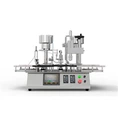
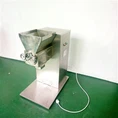
Hey there! If you're in the market for a wood granulator, you're probably wondering, "How much does a wood granulator cost?" Well, you've come to the right place. I'm a supplier of granulators, and I'm here to break down the costs and give you a better understanding of what to expect.
First off, let's talk about the factors that influence the price of a wood granulator. There are several things to consider, and these can vary quite a bit.
1. Capacity
One of the biggest factors is the capacity of the granulator. Granulators come in all shapes and sizes, from small, home - use models to large industrial ones. A small - scale wood granulator with a low production capacity, say around 100 - 200 kilograms per hour, can be relatively affordable. These are great for small businesses or individuals who just need to process a small amount of wood waste. You can expect to pay anywhere from $1,000 to $5,000 for these types of granulators.
On the other hand, if you're running a large - scale operation and need a granulator with a high production capacity, like 1,000 kilograms per hour or more, the price goes up significantly. Industrial - grade granulators with high capacity can cost anywhere from $20,000 to $100,000 or even more. The higher the capacity, the more powerful the machine needs to be, and that means more expensive components and a larger frame to handle the workload.
2. Quality and Brand
Just like with any other product, the quality and brand of the wood granulator matter. Well - known brands that have a reputation for reliability and durability usually charge more for their products. These brands often invest a lot in research and development to make sure their granulators are efficient, long - lasting, and easy to maintain.
For example, a granulator from a well - established brand might have better - made parts, more advanced technology, and better customer support. You might pay 20% - 50% more for a granulator from a top - tier brand compared to a no - name or lesser - known brand. However, the extra cost can be worth it in the long run, as you're likely to have fewer breakdowns and a longer lifespan for the machine.
3. Features and Technology
Modern wood granulators come with a variety of features and technologies that can affect the price. Some granulators have automatic feeding systems, which can save a lot of time and labor. These systems can adjust the feed rate based on the machine's capacity, ensuring a consistent production process. Granulators with automatic feeding systems usually cost more than those without.
Another feature is the ability to produce different sizes of wood granules. Some machines can be easily adjusted to make granules of various diameters, which is great if you have different customer requirements. Granulators with this flexibility are also priced higher than those that can only produce one size of granules.
Advanced control systems are also becoming more common in wood granulators. These systems allow you to monitor and adjust the machine's performance, such as temperature, pressure, and speed, with a touch of a button. Granulators with high - tech control systems are usually more expensive, but they can improve the quality of the granules and make the operation more efficient.
4. After - Sales Service
Don't forget about after - sales service when considering the cost of a wood granulator. A good supplier will offer installation, training, and maintenance services. Some suppliers even provide warranties that cover parts and labor for a certain period.


If a supplier offers comprehensive after - sales service, it might add to the initial cost of the granulator. However, this can be a great investment. You won't have to worry about finding someone to fix the machine if it breaks down, and you'll have access to professional help when you need it.
Examples of Price Ranges
Let's take a closer look at some specific price ranges for different types of wood granulators:
Small - Scale Home or Farm Use
- Basic models with manual feeding and low capacity (up to 200 kg/h) can cost between $1,000 - $3,000. These are simple machines, often made of basic materials, but they can get the job done for small amounts of wood waste.
- Slightly more advanced models with some automatic features, like adjustable speed, might cost between $3,000 - $5,000.
Medium - Scale Small Business Use
- Granulators with a capacity of 200 - 500 kg/h, with semi - automatic feeding systems and some basic control features, can cost between $5,000 - $15,000.
- Those with more advanced technology, such as better temperature control and the ability to produce different granule sizes, might cost between $15,000 - $20,000.
Large - Scale Industrial Use
- Industrial granulators with a capacity of 500 - 1,000 kg/h, with full - automatic feeding systems and advanced control panels, can cost between $20,000 - $50,000.
- High - end industrial granulators with a capacity of over 1,000 kg/h, made by well - known brands and equipped with the latest technology, can cost upwards of $50,000, sometimes reaching $100,000 or more.
Related Equipment Costs
When you're looking at getting a wood granulator, you might also need other related equipment. For example, an Industrial Mixer Machine can be used to mix different types of wood or additives before granulation. The cost of an industrial mixer machine can vary depending on its size and features, but you can expect to pay anywhere from a few thousand dollars to tens of thousands of dollars.
A Pulverizer is another piece of equipment that can be useful. It's used to crush the wood into smaller pieces before it goes into the granulator. Pulverizers can cost from a couple of thousand dollars for small - scale models to over $20,000 for large industrial ones.
Mixing Equipment is also important if you need to mix different materials evenly. The price of mixing equipment depends on its capacity and complexity, ranging from a few thousand to a significant amount for large - scale industrial units.
Making the Right Decision
When deciding on a wood granulator, it's important to consider your specific needs. If you're just starting out or have a small operation, you might not need a high - end, expensive granulator. You can start with a more basic model and upgrade as your business grows.
On the other hand, if you have a large - scale operation with high production demands, investing in a top - quality granulator with advanced features can save you money in the long run. It will be more efficient, produce better - quality granules, and require less maintenance.
Get in Touch
If you're interested in purchasing a wood granulator or want more information about our products and prices, don't hesitate to reach out. We're here to help you find the right granulator for your needs at a price that fits your budget. Whether you're a small - scale user or a large industrial business, we have a range of options to choose from.
References
- Wood Pellet Association of Canada. (2023). Wood Pellet Production Guide.
- Machinery Manufacturers Directory. (2023). Guide to Wood Granulation Equipment.