


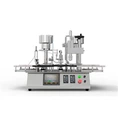
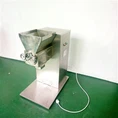
The size of a pulverizer is a crucial factor that significantly impacts its price. As a supplier of pulverizer machines, I have witnessed firsthand how the dimensions and capacity of these machines can lead to substantial variations in cost. In this blog post, I will delve into the ways in which the size of a pulverizer influences its price, providing insights for potential buyers and shedding light on the economic considerations behind these industrial equipment investments.
Physical Dimensions and Material Costs
One of the most obvious ways in which the size of a pulverizer affects its price is through the cost of materials. Larger pulverizers require more raw materials for construction, including steel, alloys, and other components. These materials contribute to the overall weight and durability of the machine, but they also come with a higher price tag. For example, a small-scale pulverizer designed for laboratory use may be constructed with a relatively thin gauge of steel, which is less expensive than the heavy-duty steel required for a large industrial pulverizer. The latter needs to withstand high levels of stress and abrasion, necessitating the use of thicker and more robust materials.
In addition to the quantity of materials, the quality also plays a role. Larger pulverizers often demand higher - grade materials to ensure long - term reliability and performance. Premium steels, specialized alloys, and high - quality bearings are standard in larger models to handle the increased workload. These high - end materials are costlier than their counterparts used in smaller machines, directly influencing the final price.
Manufacturing Complexity and Labor
The manufacturing process for larger pulverizers is generally more complex and labor - intensive than that of smaller ones. Building a large - scale pulverizer involves more intricate assembly procedures, precise machining operations, and rigorous quality control checks. For instance, the motor and drive systems in a big pulverizer need to be carefully calibrated to ensure smooth and efficient operation. This requires highly skilled technicians and advanced manufacturing equipment, all of which add to the production cost.
Moreover, larger machines often require more customization to meet the specific needs of the end - user. The design and engineering teams need to spend more time developing solutions for larger pulverizers, such as custom - made hoppers, feeding systems, and discharge mechanisms. This additional design and customization work is labor - intensive and can significantly drive up the price of the machine.
Capacity and Productivity
The capacity of a pulverizer, which is closely related to its size, has a direct impact on its price. A larger pulverizer can process more material per unit of time, making it suitable for high - volume production environments. For manufacturers with large - scale operations, the increased productivity provided by a bigger pulverizer can translate into significant cost savings in the long run. However, this increased capacity comes at a premium.
When a company invests in a high - capacity pulverizer, it is essentially paying for the ability to produce more output in less time. This is especially important in industries where time is of the essence, such as mining, pharmaceuticals, and food processing. For example, a pharmaceutical company that needs to produce large quantities of powdered drugs quickly will be willing to pay more for a high - capacity pulverizer to meet market demand.
Energy Consumption and Operational Costs
Larger pulverizers typically consume more energy than smaller ones. This is due to their larger motors, greater mass, and higher processing capacity. While the initial purchase price of a big pulverizer may be high, the long - term operational costs in terms of energy consumption also need to be considered. Manufacturers need to factor in the cost of electricity or other energy sources when making a purchasing decision.
However, advancements in technology have led to the development of more energy - efficient large pulverizers. Some models are equipped with variable frequency drives (VFDs) and other energy - saving features that can help reduce operational costs. Although these energy - efficient features add to the upfront cost of the machine, they can provide significant savings over the machine's lifespan.
Market Demand and Competition
The market demand for different sizes of pulverizers also affects their prices. In some industries, there is a higher demand for small - scale pulverizers due to space constraints or lower production requirements. This high demand can sometimes drive up the price of smaller models, especially if the supply is limited.
Conversely, in industries where large - scale production is the norm, such as mining and cement manufacturing, there may be more competition among suppliers of large pulverizers. This competition can lead to price variations, as companies try to offer more competitive prices to win contracts. However, even in a competitive market, the inherent cost advantages of smaller pulverizers and the high - end features of larger ones still play a role in determining their relative prices.
Related Machinery and Accessories
When considering a pulverizer purchase, it's important to look at the related machinery and accessories. For example, larger pulverizers may require more powerful dust collectors, conveyors, and loading equipment to operate efficiently. These additional components can add significant cost to the overall investment.


On the other hand, if you also need a Mixing Machine or Industrial Mixers to complement the pulverizer in your production line, the overall cost can increase. These related machines may also have different price points depending on their size and capacity, and they should be factored into your budget when making a decision.
Guidance for Purchasing Decisions
When planning to purchase a Pulverizer Machine, it is essential to carefully evaluate your production requirements. Consider the volume of material you need to process, the available space in your facility, and your long - term production goals. If you have a small - scale operation or limited space, a smaller pulverizer may be the more cost - effective option, despite its lower capacity.
However, if you operate a large - scale business with high - volume production needs, investing in a larger pulverizer is likely to be a wise decision. The increased productivity and long - term cost savings can outweigh the higher initial investment. It's also crucial to work with a reliable supplier who can provide you with accurate information about the different models, their features, and costs.
Conclusion
In conclusion, the size of a pulverizer has a multi - faceted influence on its price. From the cost of materials and manufacturing complexity to capacity, energy consumption, and market demand, numerous factors contribute to the final price tag. As a supplier, I understand the importance of helping customers make informed decisions based on their specific needs and budget.
If you are in the market for a pulverizer and need more information or want to discuss your requirements, I encourage you to reach out. Our team of experts is ready to assist you in finding the right pulverizer that offers the best balance between size, performance, and price. Contact us today to start the procurement negotiation process and take your production to the next level.
References
- Smith, J. (2020). Industrial Equipment Pricing: Factors and Considerations. Journal of Manufacturing Economics.
- Brown, A. (2019). The Impact of Machine Size on Production Costs. International Journal of Industrial Engineering.
- Green, C. (2021). Energy Efficiency in Large - Scale Industrial Machines. Energy Management Review.