


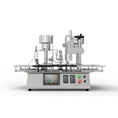
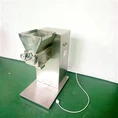
As a supplier of pulverizer prices, I've witnessed firsthand the intricate relationship between a pulverizer's noise level and its price. In the industrial landscape, the noise level of a pulverizer is not just an environmental concern; it's a significant factor that can sway the cost of the machine. This blog post delves into how the noise level of a pulverizer impacts its price, exploring the underlying reasons and implications for buyers and manufacturers alike.


The Basics of Pulverizers
Before we dive into the relationship between noise level and price, let's first understand what a Pulverizer is. A pulverizer is a machine used to crush, grind, or pulverize materials into smaller particles. These machines are widely used in various industries, including pharmaceuticals, food processing, and mining. The efficiency and performance of a pulverizer are crucial for the overall productivity of a production line.
Noise Level and Its Importance
The noise level of a pulverizer is measured in decibels (dB). A high noise level can have several negative impacts. Firstly, it can cause hearing damage to workers who are exposed to it for extended periods. This not only poses a health risk but also leads to increased labor costs due to potential compensation claims and absenteeism. Secondly, excessive noise can disrupt the working environment, reducing the overall efficiency of the workplace. In some industries, such as pharmaceuticals, where precision and concentration are key, high noise levels can be particularly detrimental.
Factors Affecting the Noise Level of a Pulverizer
Several factors contribute to the noise level of a pulverizer. The design of the machine plays a significant role. For example, a poorly designed pulverizer with loose components or improper alignment can generate more noise. The type of materials being processed also affects the noise level. Harder materials require more force to pulverize, which can result in louder noise. Additionally, the speed of the pulverizer and the power of its motor can influence the noise it produces.
How Noise Level Impacts the Price
- Design and Engineering Costs
- Pulverizers designed to operate at lower noise levels require more advanced engineering and design. Manufacturers need to invest in research and development to create machines that minimize noise. This includes using high - quality materials, improving the insulation of the machine, and optimizing the internal components. These additional design and engineering efforts increase the production cost of the pulverizer, which is then reflected in its price.
- For instance, a pulverizer with a noise - reducing enclosure made of specialized sound - absorbing materials will be more expensive than a standard model without such features. The cost of these materials and the additional manufacturing processes involved in installing the enclosure contribute to the higher price.
- Compliance with Regulations
- Many countries and regions have strict regulations regarding noise pollution in the workplace. Pulverizer manufacturers need to ensure that their machines meet these regulations. To achieve compliance, they may need to add noise - reducing features such as mufflers or vibration dampeners. The cost of implementing these compliance measures is passed on to the buyer.
- For example, if a particular region has a maximum allowable noise level of 85 dB for industrial machinery, a pulverizer that originally operates at 95 dB will need to be modified. The cost of installing the necessary noise - reduction equipment can be substantial, leading to an increase in the price of the pulverizer.
- Market Demand and Perceived Value
- In the market, there is a growing demand for low - noise pulverizers. Buyers are increasingly aware of the health and environmental impacts of high - noise machinery. As a result, pulverizers with lower noise levels are often perceived as having a higher value. Manufacturers can charge a premium for these machines due to the increased demand and the perceived benefits they offer.
- A company that values the well - being of its employees and wants to create a more pleasant working environment is likely to be willing to pay more for a low - noise pulverizer. This willingness to pay allows manufacturers to set higher prices for these products.
Comparing High - Noise and Low - Noise Pulverizers
Let's take a closer look at the differences between high - noise and low - noise pulverizers in terms of price and performance.
- High - Noise Pulverizers
- High - noise pulverizers are generally more affordable. They are often the choice for companies with a limited budget or those that operate in less noise - sensitive environments. However, they come with several drawbacks. As mentioned earlier, they can cause health problems for workers and reduce workplace efficiency. In addition, they may not be compliant with noise regulations, which can lead to fines and legal issues.
- Low - Noise Pulverizers
- Low - noise pulverizers, on the other hand, are more expensive. They offer a range of benefits, including a safer working environment, improved productivity, and compliance with regulations. These machines are ideal for industries where noise is a critical factor, such as pharmaceuticals and food processing.
The Role of Industrial Mixers in Relation to Pulverizers
In many industrial processes, Industrial Mixers are used in conjunction with pulverizers. The noise level of an industrial mixer can also impact the overall noise environment of a production line. When considering the purchase of a pulverizer, it's important to take into account the noise levels of other equipment in the process.
- A well - coordinated system of low - noise pulverizers and industrial mixers can create a more comfortable and efficient working environment. However, this often requires a higher initial investment. The combined cost of low - noise pulverizers and industrial mixers can be significant, but the long - term benefits in terms of worker health and productivity can outweigh the initial expense.
The Future of Pulverizer Noise Levels and Pricing
As technology advances, we can expect to see further improvements in the noise levels of pulverizers. Manufacturers are constantly researching and developing new ways to reduce noise without sacrificing performance. This may lead to a decrease in the price gap between high - noise and low - noise pulverizers in the future.
- In addition, as environmental and health regulations become more stringent, the demand for low - noise pulverizers is likely to increase. This increased demand may drive competition among manufacturers, leading to more affordable options for buyers.
Conclusion
In conclusion, the noise level of a Pulverizer Machine has a significant impact on its price. Higher - quality, low - noise pulverizers come with a higher price tag due to factors such as design and engineering costs, compliance with regulations, and market demand. However, the long - term benefits of these machines, including improved worker health and productivity, make them a worthwhile investment for many companies.
If you're in the market for a pulverizer and want to learn more about how noise levels can affect your purchase decision, we're here to help. Contact us to discuss your specific requirements and find the best pulverizer solution for your business. We can provide detailed information on our product range and help you make an informed decision.
References
- "Industrial Noise Control and Acoustics" by C. M. Harris
- "Handbook of Pulverization Technology" by H. E. Rose