


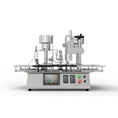
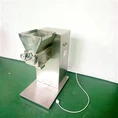
As a supplier of mixing equipment, I've often been asked whether our products can be used for paint production. The answer is a resounding yes, and in this blog post, I'll delve into the reasons why mixing equipment is not only suitable but also essential for the paint manufacturing process.
The Role of Mixing in Paint Production
Paint is a complex mixture of various components, including pigments, binders, solvents, and additives. Each of these components plays a crucial role in determining the final properties of the paint, such as color, viscosity, drying time, and durability. The mixing process is responsible for ensuring that these components are evenly distributed throughout the paint, resulting in a homogeneous and consistent product.
Pigment Dispersion
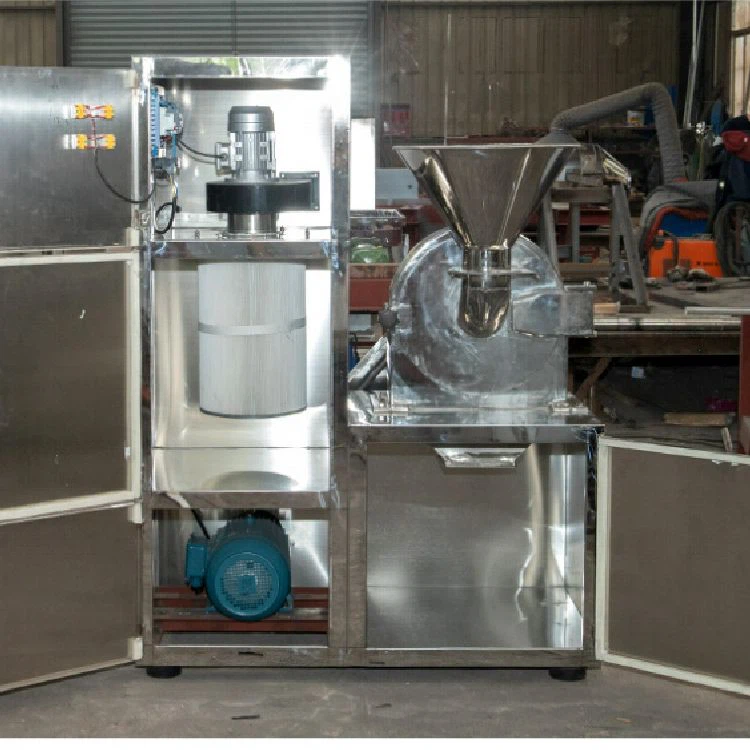
Pigments are the substances that give paint its color. They are typically in the form of fine particles that need to be dispersed evenly in the paint matrix to achieve the desired color intensity and uniformity. Mixing equipment, such as Industrial Mixer Machine, uses high - shear forces to break down pigment agglomerates and disperse them uniformly in the binder and solvent mixture. This is crucial because uneven pigment dispersion can lead to color variations in the final paint product.
Binder and Solvent Blending
Binders are the substances that hold the pigment particles together and adhere the paint to the surface being painted. Solvents are used to dissolve the binder and adjust the viscosity of the paint. Mixing equipment ensures that the binder and solvent are thoroughly blended, creating a stable and workable paint formulation. A well - mixed binder - solvent system also affects the drying time and film - forming properties of the paint.

Additive Incorporation
Additives are used in paint production to enhance specific properties of the paint, such as anti - foaming, anti - settling, and UV resistance. These additives are often added in small quantities, and proper mixing is essential to ensure that they are evenly distributed throughout the paint. Mixing equipment can effectively incorporate these additives into the paint mixture, maximizing their effectiveness.
Types of Mixing Equipment for Paint Production
There are several types of mixing equipment that can be used in paint production, each with its own advantages and applications.
High - Speed Dispersers
High - speed dispersers are commonly used in paint production for pigment dispersion. They consist of a high - speed rotating blade that creates a vortex in the paint mixture, drawing the pigment particles into the liquid and breaking them down. High - speed dispersers are capable of achieving high shear rates, which are necessary for efficient pigment dispersion. They are suitable for both small - scale and large - scale paint production.
Planetary Mixers
Planetary mixers are ideal for mixing high - viscosity paint formulations. They have a unique mixing action where the mixing blades rotate around their own axis while also orbiting around the center of the mixing vessel. This dual - motion mixing action ensures thorough mixing of the paint components, even in highly viscous materials. Planetary mixers are often used for the production of specialty paints, such as epoxy and polyurethane paints.
Static Mixers
Static mixers are used for continuous paint production processes. They consist of a series of stationary mixing elements inside a pipe or tube. As the paint mixture flows through the static mixer, the mixing elements divide, recombine, and redistribute the flow, resulting in a homogeneous mixture. Static mixers are energy - efficient and require minimal maintenance, making them a popular choice for large - scale paint production.
Advantages of Using Mixing Equipment in Paint Production
Improved Product Quality
By ensuring uniform dispersion of pigments, binders, solvents, and additives, mixing equipment helps to produce paint products with consistent color, viscosity, and other properties. This leads to higher - quality paint products that meet or exceed customer expectations. Improved product quality also reduces the likelihood of product defects, such as color variations and settling.
Increased Production Efficiency
Mixing equipment can significantly reduce the mixing time compared to manual mixing methods. This allows paint manufacturers to increase their production output and meet market demand more effectively. Additionally, the use of automated mixing equipment reduces the need for manual labor, minimizing the risk of human error and improving overall production efficiency.
Cost Savings
Efficient mixing equipment can reduce the amount of raw materials wasted during the production process. By achieving better dispersion and mixing, less pigment, binder, and other components are required to produce a high - quality paint product. This results in cost savings for paint manufacturers, making the production process more economically viable.
Considerations When Choosing Mixing Equipment for Paint Production
When selecting mixing equipment for paint production, several factors need to be considered.
Viscosity of the Paint
The viscosity of the paint formulation determines the type of mixing equipment required. High - viscosity paints, such as some industrial coatings, require mixing equipment with high - torque capabilities, such as planetary mixers. Low - viscosity paints can be mixed using high - speed dispersers or static mixers.
Batch Size
The batch size of the paint production also influences the choice of mixing equipment. Small - scale paint production may require smaller, more compact mixing equipment, while large - scale production may require industrial - sized mixers.
Material Compatibility
The mixing equipment must be compatible with the paint components being used. Some paint formulations may be corrosive or abrasive, requiring the use of mixing equipment made from materials that can withstand these conditions, such as stainless steel or special coatings.
Conclusion
In conclusion, mixing equipment is an indispensable tool in paint production. It plays a vital role in ensuring the quality, efficiency, and cost - effectiveness of the paint manufacturing process. Whether you are a small - scale paint producer or a large - scale industrial manufacturer, investing in the right mixing equipment can make a significant difference in your paint production operations.
If you are in the paint production industry and are looking for high - quality mixing equipment, we are here to help. Our company offers a wide range of Mixing Equipment suitable for various paint production needs. We can provide customized solutions based on your specific requirements. Don't hesitate to contact us to discuss your paint production mixing needs and explore how our equipment can enhance your production process.
References
- Paint Manufacturing Technology Handbook, Third Edition. Edited by Paul A. Lovell and Michael S. El - Aasser.
- Industrial Mixing: Science and Practice. By Edward L. Paul, Victor A. Atiemo - Obeng, and Suzanne M. Kresta.