


In the pharmaceutical and cosmetic industries, the integration of different machines into a cohesive production line is a crucial step towards achieving high - efficiency and cost - effective manufacturing. As an ampoule machine supplier, I am frequently asked whether an ampoule machine can be integrated with other equipment. In this blog, I will explore this topic in detail.
Understanding Ampoule Machines
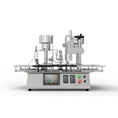
Before discussing integration, it is essential to understand what an ampoule machine does. An Ampoule Machine is specialized equipment designed to fill and seal small glass or plastic ampoules. These ampoules are commonly used to store liquid medications, vaccines, and high - end cosmetic products. The machine typically consists of several components, including an ampoule feeder, a filling system, and a sealing mechanism.
The Ampoule Filling Machine is a key part of the overall ampoule machine setup. It accurately dispenses the liquid product into the ampoules, ensuring precise dosing. The Ampoule Filler is responsible for measuring and transferring the liquid from a storage container to the ampoules. The sealing part of the ampoule machine then hermetically seals the ampoules to prevent contamination and preserve the product's integrity.
Feasibility of Integration
The answer to the question of whether an ampoule machine can be integrated with other equipment is a resounding yes. In fact, integrating an ampoule machine with other manufacturing equipment offers numerous benefits, including increased productivity, improved quality control, and reduced labor costs.
Integration with Cleaning Equipment
Before filling and sealing, ampoules need to be thoroughly cleaned to remove any debris or contaminants. An ampoule machine can be integrated with an ultrasonic cleaning machine. The ultrasonic cleaning machine uses high - frequency sound waves to generate microscopic bubbles in a cleaning solution. These bubbles implode near the surface of the ampoules, effectively removing dirt and particles. After cleaning, the ampoules can be automatically transferred to the ampoule machine for filling and sealing. This integration streamlines the production process, reduces the risk of contamination during transfer, and ensures that only clean ampoules enter the filling and sealing stages.
Integration with Labeling Equipment
Once the ampoules are filled and sealed, they need to be labeled with important information such as the product name, dosage, expiration date, and batch number. An ampoule machine can be integrated with a labeling machine. The labeling machine can be programmed to apply labels accurately to the ampoules as they move along the conveyor belt. This integration eliminates the need for manual labeling, which is time - consuming and prone to errors. It also allows for consistent and professional - looking labeling, which is essential for product identification and marketing.
Integration with Inspection Equipment
Quality control is of utmost importance in the pharmaceutical and cosmetic industries. An ampoule machine can be integrated with inspection equipment such as vision inspection systems. These systems use cameras and advanced image - processing algorithms to detect defects in the ampoules, such as cracks, improper filling levels, or misaligned seals. If a defective ampoule is detected, it can be automatically removed from the production line. This integration ensures that only high - quality products reach the market, reducing the risk of product recalls and protecting the brand reputation.
Technical Considerations for Integration
While the integration of an ampoule machine with other equipment is feasible, there are several technical considerations that need to be addressed.
Compatibility of Communication Protocols
Modern manufacturing equipment often uses different communication protocols to exchange data. For example, the ampoule machine may use a specific protocol for controlling its filling and sealing operations, while the labeling machine may use a different protocol. To integrate these machines, it is necessary to ensure that they can communicate effectively. This may involve using a protocol converter or implementing a common communication standard across all the equipment.
Mechanical Compatibility
The physical dimensions and movement mechanisms of the equipment need to be compatible. For instance, the conveyor speed and height of the ampoule machine should match those of the connected equipment. If the conveyor speed is too fast or too slow, it can cause problems such as ampoule jams or inaccurate labeling. Additionally, the mechanical interfaces between the machines need to be designed to allow for smooth transfer of ampoules.
Software Integration
The software systems of the different equipment need to be integrated. This includes programming the machines to work in synchronization and sharing relevant data, such as production counts, filling volumes, and inspection results. The software integration should also allow for remote monitoring and control of the entire production line, enabling operators to make adjustments and troubleshoot issues in real - time.
Case Studies of Successful Integration
There are many examples of successful integration of ampoule machines with other equipment in the industry. For instance, a pharmaceutical company integrated its ampoule machine with a high - speed cleaning machine and a vision inspection system. By doing so, they were able to increase their production capacity by 30% while reducing the defect rate from 2% to less than 0.5%. The integration also improved the overall efficiency of the production line, as operators no longer needed to manually transfer ampoules between different stages of the process.


Another case is a cosmetic company that integrated its ampoule machine with a labeling machine. This integration not only improved the labeling accuracy but also reduced the labor cost associated with manual labeling. The company was able to produce more labeled ampoules in less time, which increased their competitiveness in the market.
Conclusion and Call to Action
In conclusion, an ampoule machine can indeed be integrated with other equipment, and this integration offers significant benefits for manufacturers in the pharmaceutical and cosmetic industries. By streamlining the production process, improving quality control, and reducing labor costs, integration can help companies increase their productivity and profitability.
If you are interested in learning more about how our ampoule machines can be integrated with your existing equipment or if you are considering setting up a new production line, please feel free to contact us for a comprehensive consultation. Our team of experts is ready to provide you with customized solutions that meet your specific requirements.
References
- "Pharmaceutical Packaging Machinery Handbook" - A comprehensive guide on various types of pharmaceutical packaging equipment, including ampoule machines and their integration possibilities.
- Industry reports from leading research firms on the trends in pharmaceutical and cosmetic manufacturing, which often include case studies of successful machine integrations.
- Technical papers presented at international conferences on packaging technology and automation, discussing the latest advancements in the integration of manufacturing equipment.