


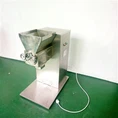
Can an ampoule filler be used for filling pharmaceutical products? This is a question that often arises in the pharmaceutical industry. As a leading supplier of ampoule fillers, I am well - versed in the capabilities and limitations of these machines when it comes to pharmaceutical filling. In this blog, I will explore the suitability of ampoule fillers for pharmaceutical products, discussing their advantages, challenges, and key considerations.
Advantages of Using Ampoule Fillers for Pharmaceutical Products
Precise Filling
One of the most significant advantages of using an ampoule filler for pharmaceutical products is its ability to provide precise filling. Pharmaceutical products often require accurate dosing to ensure their efficacy and safety. Ampoule fillers are designed with advanced technology that can control the filling volume with high precision. For example, modern piston - type ampoule fillers can achieve a filling accuracy of ±0.5% or even better. This level of precision is crucial for drugs where even a slight deviation in dosage can have serious consequences for patients.
Sterility Assurance
Pharmaceutical products need to be filled in a sterile environment to prevent contamination. Ampoule fillers can be equipped with various features to ensure sterility. Many ampoule filling machines come with laminar flow systems that create a clean air environment around the filling area. Additionally, the use of disposable filling needles and aseptic filling techniques can further minimize the risk of microbial contamination. Some advanced ampoule fillers also have the ability to perform in - line sterilization of the ampoules before filling, which is a great advantage for pharmaceutical applications.


Compatibility with Different Formulations
Pharmaceutical products come in a wide range of formulations, including liquids, suspensions, and emulsions. Ampoule fillers are highly versatile and can handle different types of pharmaceutical formulations. For liquid medications, the filler can adjust the filling speed and pressure according to the viscosity of the liquid. In the case of suspensions or emulsions, special agitation systems can be incorporated into the filler to ensure uniform distribution of the active ingredients during filling.
High - Speed Production
In the pharmaceutical industry, large - scale production is often required to meet the market demand. Ampoule fillers are capable of high - speed production. Some advanced models can fill and seal hundreds of ampoules per minute. This high - speed operation not only increases the production efficiency but also reduces the labor cost. For pharmaceutical manufacturers, this means they can produce a large quantity of products in a shorter time, which is beneficial for both cost - effectiveness and meeting the market supply.
Challenges in Using Ampoule Fillers for Pharmaceutical Products
Complex Regulatory Requirements
The pharmaceutical industry is highly regulated, and using ampoule fillers for filling pharmaceutical products means complying with strict regulatory standards. These regulations cover various aspects, such as the design, construction, and operation of the filling equipment. For example, the ampoule filler must meet the requirements of Good Manufacturing Practice (GMP). This includes ensuring that the machine is made of materials that are compatible with pharmaceutical products, has a cleanable and sterilizable design, and is properly maintained and calibrated. Failure to comply with these regulations can result in serious consequences, such as product recalls and legal penalties.
Product Compatibility Issues
Although ampoule fillers are generally compatible with different pharmaceutical formulations, there can still be some compatibility issues. Some pharmaceutical products may be sensitive to certain materials used in the filling machine, such as the rubber gaskets or the filling needles. These materials can leach substances into the product, which may affect the quality and stability of the pharmaceutical. In addition, some products may have a high viscosity or contain particles that can cause clogging in the filling system. Special design considerations and modifications may be required to overcome these compatibility issues.
Initial Investment and Maintenance Costs
Investing in an ampoule filler for pharmaceutical filling can be a significant financial commitment. High - quality ampoule fillers with advanced features and capabilities are expensive. In addition to the initial purchase cost, there are also ongoing maintenance costs. Regular maintenance is required to ensure the proper functioning of the machine and to meet the regulatory requirements. This includes cleaning, calibration, and replacement of parts. The cost of spare parts and the need for skilled technicians to perform maintenance can add to the overall cost of using an ampoule filler.
Key Considerations When Using Ampoule Fillers for Pharmaceutical Products
Machine Design and Construction
When choosing an ampoule filler for pharmaceutical products, the design and construction of the machine are of utmost importance. The machine should be made of high - quality materials that are resistant to corrosion and can withstand the cleaning and sterilization processes. The design should also allow for easy access to all parts of the machine for cleaning and maintenance. For example, a modular design can make it easier to replace or repair individual components.
Validation and Qualification
Before using an ampoule filler for pharmaceutical production, it is necessary to perform validation and qualification procedures. Validation ensures that the machine is capable of consistently producing products that meet the required quality standards. Qualification includes installation qualification (IQ), operational qualification (OQ), and performance qualification (PQ). These procedures involve testing the machine under different operating conditions to verify its performance and compliance with the regulatory requirements.
Training and Support
Proper training of the operators is essential for the successful use of an ampoule filler in pharmaceutical production. The operators should be trained on the operation, maintenance, and cleaning of the machine. They should also be familiar with the regulatory requirements related to the use of the equipment. In addition, the supplier should provide technical support to the pharmaceutical manufacturer. This includes troubleshooting assistance, spare parts supply, and software updates.
Our Ampoule Filler Solutions
As a supplier of ampoule fillers, we offer a wide range of Ampoule Machine solutions that are specifically designed for pharmaceutical filling. Our Ampoule Sealing Machine and Ampoule Filling Machine are built with high - quality materials and advanced technology to ensure precise filling, sterility, and high - speed production.
Our machines are designed to meet the strict regulatory requirements of the pharmaceutical industry. We have a team of experts who can assist with the validation and qualification process, ensuring that our machines are compliant with GMP and other relevant standards. We also provide comprehensive training and support to our customers, including on - site training for operators and 24/7 technical support.
If you are a pharmaceutical manufacturer looking for a reliable ampoule filler for your production, we would be delighted to discuss your specific requirements. Our team of professionals can work with you to customize the ampoule filler according to your product formulation, production volume, and quality standards. Contact us today to start the procurement negotiation and take your pharmaceutical production to the next level.
References
- European Union. Good Manufacturing Practice Guide for Medicinal Products for Human and Veterinary Use.
- United States Food and Drug Administration. Current Good Manufacturing Practice Regulations for Finished Pharmaceuticals.
- Pharmaceutical Engineering: A Complete Guide to Design, Construction, and Operation of Pharmaceutical Manufacturing Facilities.