


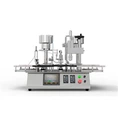
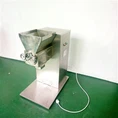
As a supplier of mixing equipment, I've seen firsthand the importance of safety precautions when operating such machinery. Mixing equipment is used in a wide range of industries, from pharmaceuticals to food processing, and the consequences of improper operation can be severe, ranging from minor injuries to major accidents. In this blog post, I'll discuss some of the key safety precautions that operators should take when using mixing equipment.
Pre - operation Checks
Before starting any mixing equipment, a thorough pre - operation check is essential. First, visually inspect the equipment for any signs of damage or wear. Look for cracks in the mixing vessel, loose bolts, or frayed electrical cords. A damaged machine can malfunction during operation, posing a significant safety risk. For example, a loose bolt could come off during high - speed mixing and cause injury to the operator or damage other parts of the equipment.
Next, check the alignment of the mixing blades or paddles. Misaligned blades can cause uneven mixing and put extra stress on the motor, potentially leading to overheating and motor failure. Make sure that all the moving parts are properly lubricated according to the manufacturer's recommendations. Insufficient lubrication can increase friction, which not only reduces the efficiency of the equipment but also increases the risk of mechanical failures.
Verify that all safety guards are in place and in good condition. Safety guards are designed to prevent operators from coming into contact with moving parts, such as belts, pulleys, and mixing blades. If a guard is missing or damaged, it should be replaced immediately before starting the equipment. Also, check the emergency stop buttons to ensure they are functioning correctly. These buttons are a crucial safety feature that can quickly shut down the equipment in case of an emergency.
Operator Training
Proper operator training is one of the most important safety precautions. Operators should be thoroughly trained on the specific mixing equipment they will be using. This training should cover not only how to operate the equipment but also the potential hazards associated with it. For instance, when operating a Granulator Machine, operators need to understand the risks of dust inhalation and how to use personal protective equipment (PPE) to prevent it.
Training should include hands - on practice under the supervision of an experienced operator. Operators should learn how to start and stop the equipment safely, how to adjust the mixing speed and time, and how to load and unload materials properly. They should also be taught how to troubleshoot common problems that may occur during operation, such as blockages or abnormal noises.
Regular refresher courses should be provided to keep operators up - to - date with the latest safety procedures and equipment features. As technology advances, new safety features may be added to the mixing equipment, and operators need to be aware of how to use them effectively.
Personal Protective Equipment (PPE)
Wearing appropriate PPE is crucial when operating mixing equipment. Depending on the nature of the materials being mixed and the type of equipment, different types of PPE may be required. For example, when working with dusty materials, operators should wear dust masks or respirators to prevent inhalation of harmful particles. Goggles or safety glasses should be worn to protect the eyes from flying debris or splashes of chemicals.
Gloves are also important, especially when handling abrasive or caustic materials. They can protect the hands from cuts, burns, and chemical exposure. In some cases, operators may need to wear ear protection if the mixing equipment produces high - noise levels. Long - sleeved shirts and pants can provide additional protection for the skin.

It's the responsibility of the employer to provide the necessary PPE and ensure that operators wear it correctly. Regular inspections should be conducted to check that operators are using the PPE as required.
Material Handling
Proper material handling is another important aspect of safety when operating mixing equipment. When loading materials into the mixer, operators should follow the recommended procedures. Overloading the mixer can cause it to malfunction, leading to potential safety hazards. For example, an overloaded mixer may experience excessive vibration, which can loosen parts or cause the equipment to tip over.
Materials should be loaded carefully to avoid spills. Spilled materials can create a slippery surface, increasing the risk of slips, trips, and falls. If a spill occurs, it should be cleaned up immediately using the appropriate cleaning methods and equipment.
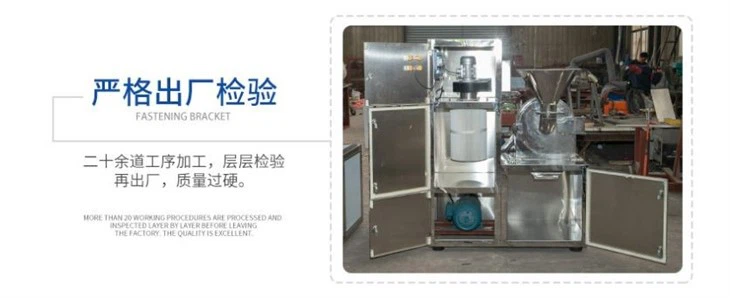
When unloading the mixed materials, operators should be aware of the potential for hot or sharp materials. They should use the proper tools and techniques to ensure a safe unloading process. For example, when unloading from a Pulverizer Machine, operators need to be careful not to get their hands caught in the discharge chute.
Maintenance and Inspection
Regular maintenance and inspection of mixing equipment are essential for safety. A well - maintained machine is less likely to malfunction and cause accidents. Maintenance should include tasks such as cleaning, lubrication, and replacement of worn parts.
Inspections should be carried out at regular intervals, either daily, weekly, or monthly, depending on the frequency of use and the type of equipment. During inspections, technicians should check for any signs of wear, damage, or abnormal operation. They should also test the safety features, such as emergency stop buttons and safety guards, to ensure they are functioning properly.
If any problems are detected during maintenance or inspection, they should be addressed immediately. Delaying repairs can increase the risk of equipment failure and accidents. For example, a small leak in a hydraulic system may seem insignificant at first, but if left unaddressed, it could lead to a complete system failure during operation.
Environmental Considerations
The environment in which the mixing equipment is operated also plays a role in safety. The workspace should be well - ventilated, especially when working with materials that produce fumes or dust. Poor ventilation can lead to a buildup of harmful substances in the air, which can cause respiratory problems for operators.
The floor should be clean and dry to prevent slips and falls. Any electrical equipment should be properly grounded to prevent electrical shocks. Adequate lighting is also important to ensure that operators can see clearly and operate the equipment safely.
If the mixing equipment is located in an area with other machinery or equipment, there should be sufficient space between them to allow for safe movement and maintenance. Overcrowded workspaces can increase the risk of collisions and accidents.
Emergency Preparedness
Finally, operators should be prepared for emergencies. An emergency plan should be in place that outlines the steps to be taken in case of an accident, such as a fire, explosion, or equipment failure. This plan should include procedures for evacuating the area, notifying emergency services, and providing first aid.
Emergency exits should be clearly marked and unobstructed at all times. Fire extinguishers and first - aid kits should be readily available and in good working condition. Operators should be trained on how to use these emergency equipment and follow the emergency plan.
In conclusion, safety precautions are of utmost importance when operating mixing equipment. By following these precautions, including pre - operation checks, operator training, wearing PPE, proper material handling, regular maintenance and inspection, considering environmental factors, and being prepared for emergencies, the risk of accidents can be significantly reduced.
If you are in the market for high - quality mixing equipment or need more information on safety precautions, we are here to help. Our team of experts can provide you with the best solutions for your specific needs. Contact us to start a procurement discussion and ensure that you get the most reliable and safe mixing equipment for your business.
References
- American National Standards Institute (ANSI). Safety standards for industrial machinery.
- Occupational Safety and Health Administration (OSHA). Guidelines for operating industrial mixing equipment.
- Manufacturer's manuals for various mixing equipment models.